
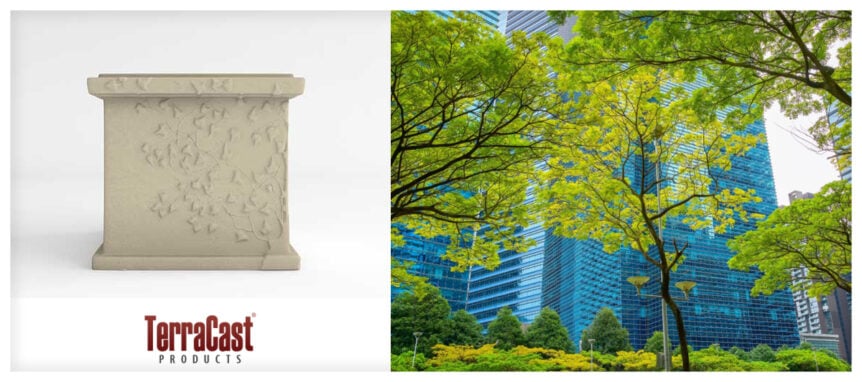
Urban streetscapes are the most visible and heavily used environments in any city. Sidewalks, plazas, transit corridors, and commercial districts experience constant exposure to foot traffic, weather, pollution, and routine maintenance activity. While many streetscape projects begin with strong design intent, not all materials are chosen with long-term performance in mind. Over time, faded finishes, corrosion, cracking, and surface damage can quickly erode the original vision. For cities focused on longevity, selecting materials that truly age well has become just as important as initial aesthetics. This is why many planners and designers are reevaluating traditional choices and turning toward resilient alternatives such as the resin products offered by TerraCast®.
Why Streetscape Longevity Matters
Public spaces are long-term investments. Once installed, furnishings and decorative elements are expected to perform reliably for many years, often decades. Frequent replacements or repairs do more than strain municipal budgets. They also disrupt pedestrian flow, impact nearby businesses, and diminish public confidence in infrastructure spending. Materials that age poorly require ongoing attention, while those designed for durability quietly support the streetscape without constant intervention.
Aging well does not simply mean surviving exposure. It means maintaining appearance, structural integrity, and usability despite daily wear and environmental stress. Materials that discolor, rust, or deteriorate unevenly can make an entire corridor look neglected, even when the surrounding architecture remains intact.
The Environmental Stressors Streetscapes Face
Urban environments are harsh by nature. Sun exposure breaks down surface finishes and causes fading. Moisture accelerates corrosion and staining. Pollution settles into porous materials, creating discoloration that is difficult to remove. High-traffic areas introduce impacts, scuffs, and vandalism.
Traditional materials often struggle under these conditions. Painted metal requires periodic refinishing to combat rust. Wood demands sealing and replacement as it weathers. Concrete, while durable, can crack, stain, and chip, creating an aged appearance that is difficult to reverse. Over time, the cost of maintaining these materials becomes a recurring burden.
Materials That Maintain Their Appearance
One of the most overlooked factors in street design is how materials look five, ten, or fifteen years after installation. Resin products stand out because color and finish are integrated into the material itself rather than applied as a surface coating. This allows planters, site furnishings, and decorative components to retain a consistent appearance even as they age.
Unlike painted or powder-coated surfaces, resin does not peel or flake. UV-stabilized formulations help protect against fading, even in sun-heavy environments. As a result, streetscapes maintain a cohesive look without the need for frequent touch-ups or refinishing cycles.
Lower Maintenance, Higher Value
Streetscapes that age well require less attention from maintenance crews. Resin surfaces are nonporous, which makes them easier to clean and more resistant to staining. Graffiti can often be removed without harsh chemicals or abrasive techniques that damage the underlying material.
This ease of maintenance has a direct impact on long-term costs. Fewer labor hours, fewer specialty repairs, and longer replacement cycles allow cities to allocate resources more efficiently. Instead of reacting to deterioration, maintenance teams can focus on proactive improvements and broader infrastructure needs.
Design Consistency Over Time
Uniformity plays a critical role in how public spaces are perceived. Inconsistent aging can make even well-designed streets feel disjointed. Resin products help preserve design intent by aging evenly across an installation. Whether used for planters, benches, tables, receptacles, or decorative pole base covers, resin maintains its form and finish in a predictable way.
This consistency supports cohesive branding for business districts, campuses, and civic spaces. It also helps preserve the architectural character of an area without introducing visual distractions caused by mismatched or deteriorated materials.
Planning for the Future
Designing streetscapes that age well requires thinking beyond immediate project timelines. Cities that prioritize durable, low-maintenance materials benefit from fewer disruptions, stronger visual identity, and improved return on investment. As infrastructure budgets tighten and public expectations rise, materials that quietly perform year after year become essential components of smart urban planning.
Resin products support this long-term approach by offering a balance of durability, aesthetics, and ease of care. They allow designers to create spaces that look intentional not only on opening day, but long after the ribbon cutting.
A Streetscape Built to Last
Urban environments are always evolving, but the materials chosen today shape how those spaces function and feel in the future. Streetscapes that age well contribute to safer, cleaner, and more welcoming cities, reinforcing public trust in thoughtful design.
TerraCast® offers a range of resin planters, site furnishings, and decorative light pole base covers designed to withstand the demands of urban environments while maintaining their appearance over time. To learn how durable resin products can support long-lasting streetscape design, connect with the TerraCast® team here.