
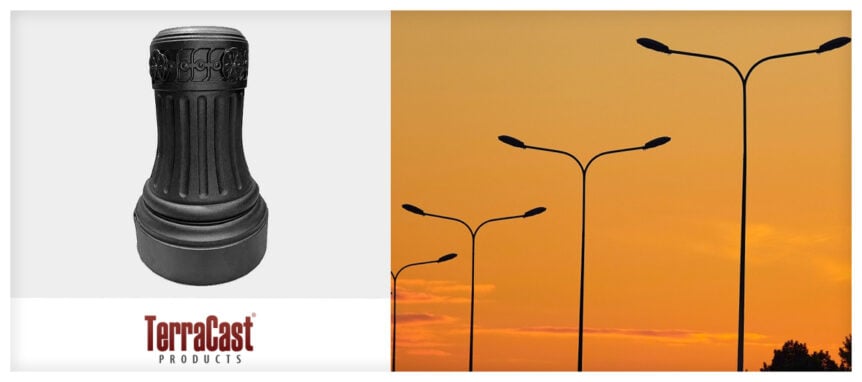
As cities invest in safer, cleaner, and more visually consistent streetscapes, public agencies are becoming increasingly selective about the materials used in their infrastructure upgrades. Light pole bases, often overlooked components of a city’s lighting system, play an important role in both aesthetics and long-term maintenance. In recent years, municipalities have shown a growing preference for U.S.-manufactured resin light pole bases, choosing them over imported metal or fiberglass alternatives. The shift is driven by a combination of durability, supply-chain reliability, appearance retention, and cost predictability.
Uncertainty in Global Supply Has Cities Looking Local
Municipal procurement teams understand the challenges of relying on imported components. Fluctuating shipping costs, overseas manufacturing delays, and extended lead times have made international sourcing unpredictable. Additionally, tariffs placed on steel and aluminum imports have resulted in substantial price increases for many of the metal pole bases still sourced abroad. These expenses often hit city budgets hard, especially during large-scale lighting upgrades.
In contrast, U.S.-manufactured resin light pole bases avoid tariff pressures, supply-chain instability, and the logistical complications associated with international freight. Domestic production ensures consistent availability, shorter lead times, and stable pricing. Cities can plan projects more accurately, install products faster, and reduce the risk of delays that can affect public safety upgrades.
Resin’s Built-In Advantages Over Imported Metal and Fiberglass
Light pole bases made from imported steel or aluminum require protective coatings to withstand weather conditions. These coatings often chip, fade, or peel, exposing the underlying material to rust and corrosion. In climates with heavy rainfall, salt air, or snow, metal deterioration accelerates even further, requiring frequent repainting or replacement.
Resin light pole bases offer a superior solution because they do not rust or corrode. The material itself is resistant to moisture, UV exposure, and environmental wear. Since the color is molded throughout the base rather than painted on, it maintains its appearance without flaking or peeling. This makes resin a significantly longer-lasting option for cities that want infrastructure to remain visually consistent for years.
Fiberglass bases, while more resistant than metal, still face issues such as cracking, paint wear, and brittleness over time. Resin provides a more flexible, impact-resistant alternative that can better handle daily bumps, minor collisions, or repeated contact in busy pedestrian or vehicle areas.
Graffiti Resistance and Easy Maintenance
Urban environments deal with another major challenge: vandalism. Metal and fiberglass pole bases can be difficult to clean when spray paint or permanent markers are applied. Removal chemicals often damage paint coatings or discolor the material, leading to expensive touch-ups.
Resin light pole bases offer a major advantage in this area. Their nonporous, chemical-resistant surface allows graffiti to be removed far more easily, often with simple cleaning solutions or pressure washing. This reduces labor costs, keeps streetscapes looking maintained, and prevents vandalism from creating long-term damage.
Quick, Efficient Installation Minimizes Disruption
Municipal crews often work within tight schedules, especially when upgrading lighting systems in high-traffic public areas. Resin light pole bases support quicker, more efficient installation because they are manufactured with a two-piece clamshell design that wraps around an existing pole. This eliminates the need to remove or alter the structural pole itself.
Many resin site furnishings such as benches, receptacles, and tables can be secured with anchor kits when needed. For light pole bases in particular, the clamshell style allows workers to install units rapidly, reducing lane closures, minimizing pedestrian disruptions, and cutting labor expenses. Once installed, the base remains permanently in place, serving as an attractive and protective cover.
A Consistent and Attractive Appearance for Urban Streetscapes
Cities want uniformity in their lighting design. Imported metal bases often arrive with inconsistencies in color, coating thickness, or finish quality. Resin bases manufactured in the United States offer more consistency, ensuring each unit matches the next in both style and appearance.
Resin also provides a wider range of colors and finishes than traditional metal bases. Because the color is integrated directly into the material, cities can maintain cohesive streetscapes without ongoing repainting. Whether the goal is to match existing infrastructure or to incorporate custom color options for a branded district, resin offers the flexibility needed to execute a unified design vision.
A Future-Proof Choice for Cities Planning Ahead
Municipal budgets are under more pressure than ever, and cities require materials that provide value over time rather than high upfront costs followed by constant maintenance. Resin light pole bases offer long-term durability, aesthetic longevity, and lower maintenance demands than traditional imports. Combined with tariff-free pricing and dependable domestic manufacturing, they represent a smart investment for any community looking to modernize its public lighting infrastructure.
Cities, property managers, and planners seeking dependable and American-made lighting solutions will find that TerraCast® offers a full line of resin pole bases built for longevity and visual appeal. To explore options for your next project, contact the TerraCast® team here.