
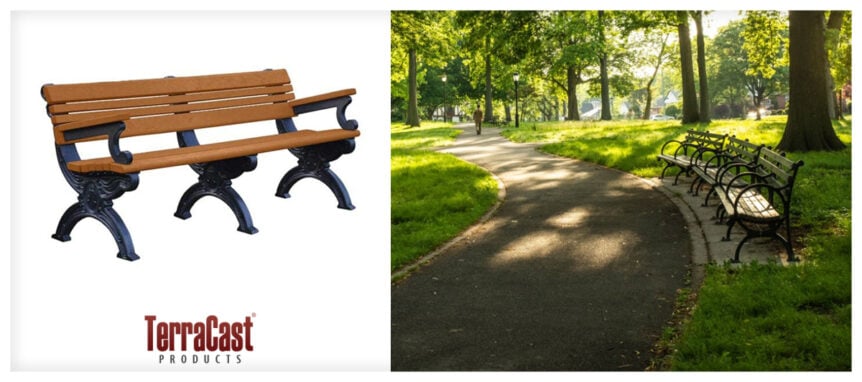
Metal has long been considered the standard choice for outdoor public furnishings, from benches and tables to waste receptacles and decorative elements. For decades, cities selected steel and aluminum for their perceived strength and longevity. At first glance, metal appears to be a solid, dependable option for busy urban areas. However, as municipalities evaluate long-term maintenance needs, climate challenges, and the total cost of ownership, a different picture has emerged. Metal furnishings come with hidden expenses that often strain public budgets and demand frequent repair or replacement. As these challenges compound, many cities are turning to more resilient materials, including resin furnishings from TerraCast®, which offer impressive durability and financial efficiency without sacrificing aesthetics.
Corrosion and Rust: A Persistent Problem
Outdoor metal fixtures are constantly exposed to moisture, pollutants, and shifts in temperature, which makes corrosion one of their biggest long-term weaknesses. Even powder-coated finishes eventually chip or scratch, allowing rust to spread beneath the surface. Once corrosion begins, it accelerates quickly, creating structural weakness and visible deterioration. In coastal cities or humid regions, salt in the air speeds up this process, reducing the lifespan of metal furnishings far faster than expected. Maintenance crews often spend significant time sanding, repainting, or replacing rusted components. Resin furnishings, by comparison, do not rust or corrode, which provides a clear advantage for locations dealing with harsh weather, salt exposure, or constant moisture.
Heat Retention and User Comfort
Metal absorbs and retains heat, especially in sunny climates. Benches, tables, and waste receptacles made of steel or aluminum can become too hot to touch during the summer, creating discomfort and even safety risks. In cold seasons, metal becomes extremely chilly, which again discourages public use and contributes to an unwelcoming environment. Resin furnishings avoid these issues because they do not hold temperature in the same way. This makes resin a safer and more comfortable choice for parks, plazas, transit hubs, and school campuses where people regularly interact with the furniture throughout the day.
Vandalism and Surface Damage
Although metal appears durable, it is surprisingly vulnerable to vandalism. Paint bonds easily to metal surfaces, making graffiti difficult and expensive to remove. In some cases, crews must rely on harsh solvents or sanding tools that can damage the finish and shorten the life of the product. Metal is also susceptible to dents and warping from impact, especially in locations with heavy foot traffic or public events. Resin furnishings have an advantage here because their non-porous surfaces resist graffiti, and most markings can be removed with basic cleaners or pressure washing. Resin does not dent, warp, or chip in the same way metal does, which helps the furniture maintain its appearance and structural integrity for many years.
Weight and Maintenance Challenges
Metal furnishings are extremely heavy, which creates logistical challenges for installation and maintenance work. Moving or repositioning a metal bench or table often requires multiple people or machinery. This limits the flexibility of public spaces, especially when cities need to reconfigure layouts for events, seasonal changes, or pedestrian flow improvements. TerraCast® resin site furnishings, made from dense HDPE materials, are strong enough for demanding environments but still more manageable than concrete and many metal alternatives. This reduces labor requirements and provides more adaptability in how and where furnishings are deployed.
Long-Term Costs Add Up Quickly
The biggest hidden cost of metal is not the initial purchase price. Instead, it is the ongoing maintenance burden that accumulates year after year. Cities spend large portions of their budgets repairing corrosion, repainting damaged surfaces, or replacing pieces entirely. Metal’s vulnerability to weather, salt, moisture, and graffiti makes it a high-maintenance material in environments that already face tight resource constraints. Resin products, however, require far less upkeep. Their color is embedded into the material rather than applied as a coating, which eliminates the need for repainting. Their resistance to rust, impact, and environmental damage helps reduce costs over the lifespan of the product, making resin a financially responsible choice for long-term planning.
A Smarter Choice for Modern Public Design
As cities work to stretch budgets, reduce long-term maintenance demands, and create more welcoming outdoor environments, many are realizing that traditional metal furnishings no longer align with modern needs. The ongoing challenges of corrosion, repainting, surface damage, and labor-intensive upkeep make metal increasingly impractical for high-use public spaces. Resin site furnishings offer a more efficient alternative, delivering durability, visual appeal, and ease of care without the continual expenses that metal often requires. They support cleaner, safer, and more comfortable community spaces, allowing municipalities to reinvest savings into other essential improvements.
For cities, designers, and property managers seeking long-lasting, cost-effective solutions, TerraCast® provides a full line of resin benches, tables, receptacles, and planters engineered for demanding urban environments. To explore options that can elevate your public spaces while reducing maintenance concerns, connect with the TerraCast® team here.