
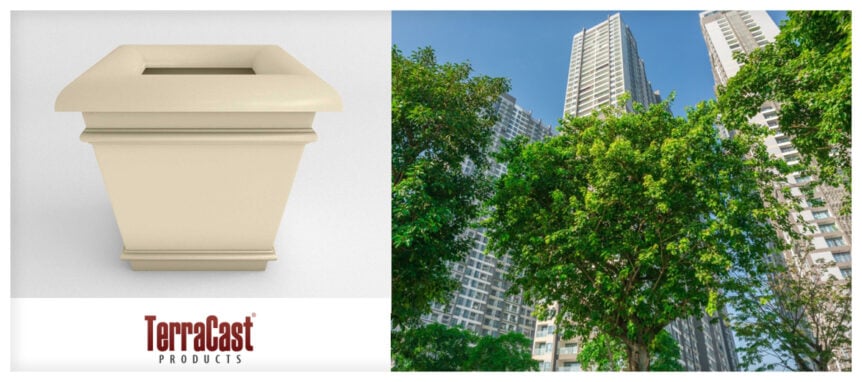
Modern landscape architecture balances form, function, and long term performance. As outdoor spaces become extensions of commercial properties, public environments, and mixed use developments, material selection plays a critical role in both design and durability. Resin planters have become a popular choice in contemporary landscapes because they offer visual flexibility while withstanding demanding outdoor conditions. When integrated thoughtfully, they enhance circulation, define spaces, and support plant health without adding unnecessary maintenance challenges.
In modern projects, planters are often used to guide movement, soften hardscapes, and introduce greenery into highly structured environments. Because they are permanent visual elements, their placement and material quality directly affect how a space functions over time. Understanding how resin planters perform and how they can be incorporated into a cohesive design helps ensure long lasting results that align with architectural intent.
Using Planters to Define Space and Flow
One of the most effective ways to integrate resin planters into landscape design is by using them to establish visual boundaries without blocking sightlines. In plazas, courtyards, and pedestrian corridors, planters can guide foot traffic, create separation between functional zones, and enhance safety while maintaining an open feel. Their clean lines and consistent forms make them well suited for modern environments where clarity and organization are essential.
Because resin planters are available in a wide range of sizes and profiles, designers can select proportions that complement surrounding structures. Taller planters can frame entrances or anchor focal points, while lower profiles help define seating areas or walkways. When used consistently throughout a site, planters contribute to a unified design language that feels intentional rather than decorative.
Selecting Materials for Longevity and Performance
Material choice is especially important for planters, which are exposed to constant moisture, soil contact, and environmental stress. Resin planters do not absorb water, which helps prevent cracking, swelling, and surface deterioration over time. This makes them particularly effective in regions with heavy rainfall, irrigation systems, or fluctuating temperatures.
In coastal and high humidity environments, resistance to salt air and corrosion further supports long term performance. Resin planters maintain their structural integrity where metal or porous materials may degrade. Their durability reduces the need for frequent replacement, making them a practical option for municipalities and commercial properties managing long term maintenance costs.
Maintaining Visual Consistency in Modern Designs
Consistency is a defining characteristic of modern landscape architecture. Resin planters support this by offering uniform color, finish, and shape across large installations. Integrated UV protection helps preserve color stability, ensuring that planters maintain their original appearance even after prolonged sun exposure.
During the planning stage, custom textures can be created for resin planters before the tooling process begins. This allows designers to align planter finishes with surrounding materials such as concrete, stone, or architectural surfaces. Once the mold is made, the texture remains fixed, ensuring consistent appearance across all units used in the project.
Supporting Plant Health and Functionality
Beyond aesthetics, well designed planters must support healthy plant growth. Resin planters provide stable insulation for soil and root systems, helping moderate temperature fluctuations that can stress plants. Their durability allows for proper drainage systems without compromising structural integrity, which supports long term plant health.
Proper sizing and placement also contribute to functionality. Larger planters can accommodate deeper root systems for shrubs or small trees, while smaller planters work well for ornamental grasses and seasonal plantings. Integrating these considerations early in the design process helps avoid overcrowding and promotes sustainable landscaping practices.
Integrating Planters Into Long Term Landscape Planning
Resin planters are most effective when viewed as permanent design elements rather than temporary accents. Their resistance to weathering, impact, and surface deterioration makes them well suited for high traffic public spaces and commercial environments. When integrated thoughtfully, they help create landscapes that age gracefully without constant intervention.
TerraCast® resin planters are designed to support these modern landscape needs, offering durable, Made in the USA solutions that balance performance and design flexibility. Their ability to withstand challenging environments while maintaining visual appeal makes them a reliable choice for long term landscape planning.
Enhancing Modern Landscapes with TerraCast® Solutions
Resin planters offer a versatile and durable way to introduce greenery into modern landscapes while supporting clean design lines and long term performance. Their adaptability, weather resistance, and consistent appearance make them an effective tool for landscape architects, planners, and property owners. To explore planter options or discuss design considerations for your next project, you can connect with the TerraCast® team.