
Large scale landscape and streetscape projects shape how people experience public and commercial environments every day. From downtown corridors and mixed use developments to campuses and waterfront promenades, these spaces rely on thoughtful design to remain functional, attractive, and cohesive over time. One of the most influential yet often underestimated aspects of successful large projects is material consistency. When materials are selected and applied intentionally across all site elements, the result is a streetscape that feels unified, durable, and professionally executed.
In projects that span multiple blocks or are built in phases, inconsistent materials can quickly undermine the original design intent. Differences in finishes, aging patterns, and maintenance needs create visual fragmentation and increase long term costs. Consistent material selection helps prevent these issues, allowing landscapes and streetscapes to mature gracefully while maintaining their original character.
Creating Visual Unity Across Expansive Spaces
Consistency in materials plays a critical role in how large spaces are perceived. When benches, planters, trash receptacles, and other site furnishings share a common material language, the environment feels intentional and cohesive. This visual unity helps guide the eye and creates a sense of order, even in complex urban settings with multiple functional zones.
In streetscapes that stretch across several intersections or connect multiple districts, material consistency helps tie the space together. Repetition of finishes and forms reinforces continuity and makes the experience more intuitive for pedestrians. Without this cohesion, even well designed areas can feel disjointed, as mismatched elements interrupt the flow of the environment.
Supporting Long Term Performance and Appearance
Material consistency is not only an aesthetic consideration but also a performance driven decision. Different materials age differently when exposed to weather, UV radiation, irrigation, and foot traffic. When a project uses a mix of materials with varying durability, some elements may fade, corrode, or deteriorate faster than others. Over time, this uneven aging disrupts the visual balance of the space and creates maintenance challenges.
Using consistent materials across a project helps ensure that site furnishings age at a similar rate. This uniform performance preserves the intended look of the streetscape and reduces the need for piecemeal replacements. In high exposure environments such as coastal areas or regions with high humidity, selecting materials that resist moisture and corrosion further supports long term reliability.
Simplifying Maintenance and Replacement Planning
Maintenance is a major consideration for municipalities and property managers overseeing large outdoor spaces. Consistent materials simplify maintenance routines by reducing the number of cleaning methods, repair techniques, and replacement parts required. When furnishings share the same material properties, crews can work more efficiently and predict maintenance needs more accurately.
Consistency also makes future replacements less disruptive. If a planter or bench needs to be replaced years after installation, matching materials ensure the new piece blends seamlessly with existing elements. This is especially important in phased projects, where new installations must integrate visually with earlier phases without standing out or appearing outdated.
Enhancing Flexibility in Phased Development
Many large landscape and streetscape projects are completed over time rather than all at once. Budget cycles, construction schedules, and evolving community needs often require phased implementation. Consistent material selection allows each phase to connect visually and functionally with the last, preserving design continuity even as the project evolves.
When materials are standardized early in the planning process, future expansions can be executed with confidence. Designers and planners can add new furnishings or planters knowing they will align with existing installations. This predictability supports long term planning and prevents the gradual erosion of design quality that can occur when materials change from phase to phase.
Balancing Durability with Design Intent
Large scale projects must balance durability with design intent. Materials need to withstand daily use and environmental exposure without compromising the visual goals of the space. Consistent materials allow designers to focus on layout, circulation, and planting strategies while relying on proven performance across all site elements.
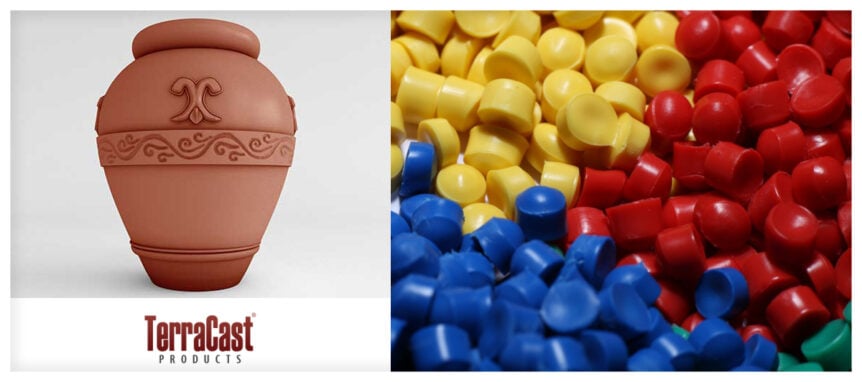
Resin based site furnishings are often selected for this reason, as they offer stability, resistance to environmental stress, and consistent appearance over time. When used throughout a project, they help maintain both structural reliability and visual cohesion, supporting spaces that remain welcoming and functional year after year.
Building Streetscapes That Stand the Test of Time
Consistency in materials is a foundational principle of successful large scale landscape and streetscape design. It enhances visual unity, simplifies maintenance, and supports long term performance across expansive environments. By selecting materials that age evenly and perform reliably, planners and designers can create public spaces that retain their character and value well into the future.
TerraCast® site furnishings support this approach by offering durable, Made in the USA solutions designed for consistency across large installations. Their material stability and design flexibility make them a reliable choice for projects focused on long term cohesion and performance. To learn more about integrating consistent materials into your next landscape or streetscape project, you can connect with the TerraCast® team.