
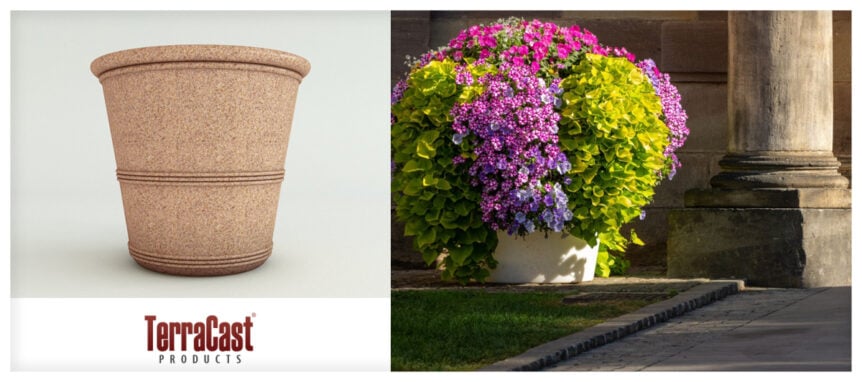
Urban spaces are evolving to meet the changing needs of communities. Streets, plazas, and public gathering areas are no longer designed for a single purpose. Instead, they are expected to accommodate pedestrians, cyclists, events, outdoor dining, and seasonal programming. This shift has increased the demand for flexible design solutions that can adapt over time without requiring major reconstruction. Planters have emerged as a key element in this approach, offering a practical way to define space, guide movement, and support adaptable urban environments.
Unlike permanent infrastructure, planters allow cities and developers to shape spaces in ways that can be adjusted as needs change. Their ability to function as both design features and spatial tools makes them valuable in modern streetscape planning.
Defining Space Without Permanent Barriers
One of the primary roles of planters in urban design is to define space without creating rigid, permanent boundaries. In areas where flexibility is important, such as pedestrian plazas or shared-use streets, planters can be used to separate zones while maintaining openness and visibility.
For example, planters can help distinguish pedestrian walkways from dining areas, create buffers between seating and traffic, or establish edges for public gathering spaces. Because they are not fixed in place, they allow designers to create structure without limiting future changes.
This approach is particularly useful in cities that are experimenting with new layouts or implementing pilot programs before committing to long-term infrastructure changes.
Supporting Temporary and Seasonal Configurations
Urban spaces often need to adapt to different uses throughout the year. Outdoor dining expansions, markets, festivals, and seasonal events all require layouts that can be modified quickly and efficiently. Planters provide a flexible solution by allowing spaces to be reconfigured without construction.
During peak seasons, planters can be arranged to create expanded pedestrian zones or seating areas. When needs shift, they can be repositioned to restore traffic flow or accommodate different activities. This flexibility supports dynamic use of space while maintaining a cohesive and organized appearance.
Because planters can serve as both functional and decorative elements, they help ensure that temporary configurations still feel intentional and well-designed.
Enhancing Safety Through Spatial Design
Planters also contribute to safety by reinforcing how spaces are used. When placed strategically, they help guide pedestrian movement, discourage vehicles from entering restricted areas, and create buffers between different modes of transportation.
It is important to note that planters are not crash-rated barriers and are not intended to stop vehicles. Their effectiveness comes from visibility and placement. By clearly defining where vehicles should not go, they help reduce conflicts and improve overall safety within the space.
This makes them particularly useful in applications such as protected bike lanes, daylighted intersections, and pedestrian-first streets.
Balancing Mobility and Stability
A key advantage of modern planter design is the balance between mobility and stability. Lightweight materials allow planters to be transported and positioned with relative ease during installation. Once in place and filled with soil or ballast, they provide the weight and stability needed for long-term use.
This combination allows cities and developers to adapt layouts as needed without sacrificing durability. It also simplifies installation in areas where heavy equipment may be difficult to use, such as dense urban corridors or elevated spaces like rooftop terraces.
The ability to move and secure planters efficiently supports both short-term flexibility and long-term performance.
Creating Cohesive and Inviting Environments
Beyond functionality, planters play an important role in the visual quality of urban spaces. They introduce greenery into environments that are often dominated by hard surfaces, helping to create more inviting and comfortable settings.
When used consistently, planters contribute to a cohesive streetscape design. Matching materials, finishes, and forms help unify different areas of a project, even when layouts change over time. This consistency ensures that flexibility does not come at the expense of visual appeal.
Planters also support placemaking efforts by helping define areas where people can gather, relax, and interact. Their presence can transform underutilized spaces into active, engaging parts of the city.
Adapting to the Future of Urban Design
As cities continue to evolve, flexibility will remain a central consideration in urban planning. Infrastructure that can adapt to changing needs without requiring significant investment in reconstruction offers clear advantages for both municipalities and developers.
Planters provide a simple yet effective way to support this adaptability. By allowing spaces to be redefined, expanded, or reconfigured with minimal disruption, they help cities respond to new demands while maintaining order and functionality.
TerraCast® resin planters are designed to support flexible urban environments, offering durable, Made in the USA solutions that perform reliably in high-traffic public spaces. To explore how planters can be integrated into adaptable streetscape designs, you can connect with the TerraCast® team.