
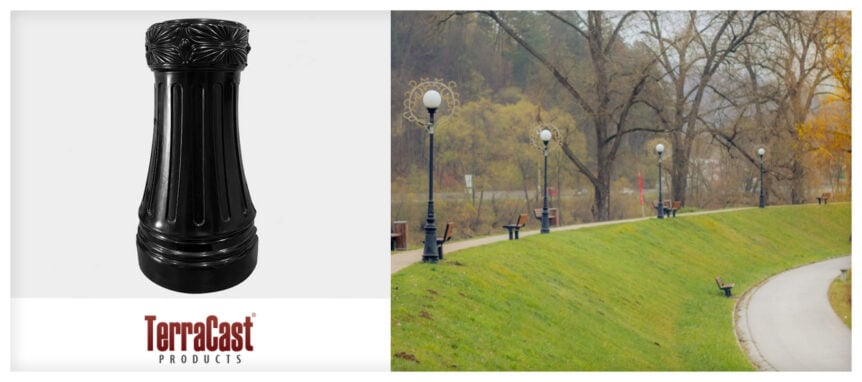
Light pole base covers are an important finishing element in streetscape and lighting projects. While they are decorative and not structural, they play a key role in protecting exposed hardware and maintaining a clean, cohesive appearance. When base covers fail or are improperly selected, they can create maintenance issues, visual inconsistencies, and unnecessary project delays.
Understanding the most common problems associated with light pole base covers can help municipalities, contractors, and designers make better decisions during planning and installation.
Poor Fit and Compatibility Issues
One of the most common challenges with base covers is improper fit. Because lighting infrastructure is not standardized, variations in pole diameter, base plate size, and anchor bolt spacing can make it difficult to find a compatible cover.
A base cover that does not fit correctly may leave gaps, fail to close properly, or interfere with the pole installation. This can expose anchor bolts to the elements and detract from the finished appearance.
To avoid these issues, it is important to confirm all measurements before ordering. When working with existing infrastructure, documenting dimensions and profiles ensures that the selected base cover will align with the installation. In cases where standard options do not match, custom solutions can provide a precise fit.
Cracking and Surface Deterioration
Traditional materials such as concrete or brittle composites can be prone to cracking over time. Exposure to weather, temperature changes, and physical impact can lead to surface damage that affects both appearance and durability.
In climates with freeze-thaw cycles, moisture absorption can accelerate this process. As water expands and contracts within the material, it creates internal stress that leads to cracking and long-term deterioration.
Selecting non-porous materials helps prevent this type of damage. Materials that do not absorb moisture maintain their integrity in changing conditions and are less likely to develop cracks or surface defects.
Corrosion and Exposure of Structural Hardware
Light pole base covers are designed to protect anchor bolts and mounting hardware. When covers fail or are not properly installed, these components can become exposed to moisture, road salts, and environmental pollutants.
Over time, this exposure can lead to corrosion, which may affect the long-term stability of the pole foundation. Even though the cover itself is not structural, its role in protecting critical components is essential.
Ensuring a proper fit and selecting durable materials helps maintain this protective function. A well-designed base cover should fully enclose the base area and resist environmental wear.
Fading, Peeling, and Finish Failure
Base covers that rely on surface coatings or paint can experience fading, peeling, or chipping over time. UV exposure, weather conditions, and routine cleaning can all contribute to finish degradation.
Once the surface begins to fail, the base cover can appear worn even if the underlying structure remains intact. This is particularly noticeable in high-visibility areas such as downtown streetscapes or commercial properties.
Color-through materials provide a more durable alternative by eliminating the need for surface coatings. Because the color is integrated throughout the material, it maintains a consistent appearance even after years of exposure.
Difficult Installation and Limited Access
Some base cover designs can be difficult to install, especially in retrofit situations where the pole is already in place. One-piece designs may require lifting over the pole, which can be challenging in tight spaces or without proper equipment.
Clamshell-style base covers offer a more flexible installation option by allowing the cover to open and wrap around the pole. This simplifies installation and makes it easier to work around existing infrastructure without disrupting the structural components.
Choosing the right design for the project conditions can help reduce installation time and improve overall efficiency.
Unpredictable Lead Times
Delays in receiving base covers can disrupt project schedules, particularly when they are among the final components needed for completion. Long or uncertain lead times can force contractors to revisit job sites or delay inspections.
Working with manufacturers that provide clear production timelines helps reduce this risk. Domestic manufacturing can also improve reliability by minimizing the variables associated with international shipping and supply chains.
TerraCast® base covers are Made in the USA, allowing for greater control over production schedules. Standard designs are often available within approximately three to six weeks, while custom base covers can typically be produced within twelve to fifteen weeks, depending on order size and complexity.
Preventing Problems Through Better Planning
Many of the issues associated with light pole base covers can be avoided through proper planning and material selection. Verifying measurements, selecting durable materials, and working with manufacturers that offer both standard and custom options all contribute to smoother project execution.
By addressing these factors early, municipalities and contractors can reduce maintenance needs, avoid installation challenges, and ensure that lighting projects maintain their intended appearance over time.
Choosing Reliable Solutions for Long-Term Performance
Light pole base covers may be a finishing detail, but their impact on durability and visual quality is significant. Selecting the right materials and ensuring proper fit can prevent common problems and support long-term performance.
TerraCast® produces decorative light pole bases designed to address these challenges, offering durable, Made in the USA solutions for both standard and custom applications. To learn more or discuss your project needs, you can connect with the TerraCast® team.