
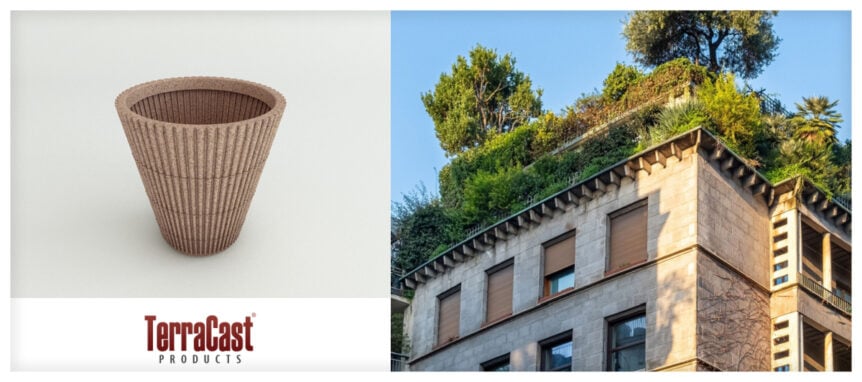
Rooftop gardens and podium-level landscapes have become increasingly popular in urban developments. From residential towers and mixed-use buildings to hotels and commercial properties, these elevated outdoor spaces provide valuable amenities while helping bring greenery into densely developed environments. However, designing landscapes above ground level presents unique challenges that are not typically encountered in traditional site development.
One of the most important considerations is weight. Every component placed on a rooftop or podium deck contributes to the overall structural load of the building. As a result, selecting lightweight landscape materials is often critical to the success of the project. Lightweight planters offer a practical solution by reducing installation challenges while helping designers maximize the usable potential of elevated outdoor spaces.
Understanding Structural Load Considerations
Unlike ground-level landscapes, rooftop and podium environments must operate within strict structural weight limits. Architects, engineers, and landscape designers carefully evaluate dead loads and live loads to ensure the building can safely support all planned features.
Planters can contribute significantly to these calculations, especially when combined with soil, irrigation systems, and mature plant material. Heavy materials such as concrete can quickly consume a large portion of the available load capacity before plants are even installed.
Lightweight planters help reduce this burden by minimizing the weight of the container itself. This allows designers greater flexibility when selecting plants and configuring outdoor spaces without unnecessarily increasing structural demands.
Simplifying Transportation and Installation
Getting materials onto a rooftop is often one of the most challenging parts of the installation process. Access may be limited to elevators, cranes, service lifts, or narrow stairwells, depending on the building.
Heavy planters can increase transportation costs and complicate installation logistics. Lightweight alternatives are easier to move, position, and install, reducing labor requirements and minimizing the need for specialized equipment.
This efficiency can be particularly valuable on large projects where dozens or even hundreds of planters must be transported to elevated locations. Streamlining installation helps keep projects on schedule while reducing overall construction complexity.
Supporting Design Flexibility
Rooftop and podium landscapes often serve multiple functions. These spaces may include seating areas, outdoor dining, gathering spaces, fitness zones, and landscaped retreats. Designers frequently need the flexibility to adjust layouts to accommodate changing tenant needs or future renovations.
Lightweight planters support this adaptability by making repositioning more manageable than with heavier alternatives. While they remain stable once installed and filled, they are easier to relocate when modifications are required.
This flexibility allows property owners and managers to refresh outdoor spaces over time without committing to extensive reconstruction.
Reducing Long-Term Structural Demands
Weight considerations do not end after installation. The long-term performance of rooftop landscapes depends on maintaining a balance between functionality and structural efficiency.
Every pound added to a rooftop contributes to the ongoing load carried by the building. By selecting lightweight planters, designers can dedicate more of the available load capacity to landscaping features, furnishings, or amenities that directly enhance the user experience.
This can be particularly beneficial in retrofit projects where structural capacity may be more limited than in newly constructed buildings.
Durability Matters in Elevated Environments
Rooftop landscapes are often exposed to more extreme environmental conditions than ground-level installations. Higher wind exposure, intense sunlight, and fluctuating temperatures can place additional stress on landscape materials.
Planters used in these environments must withstand these conditions without cracking, fading, or deteriorating. Durable, non-porous materials help resist moisture absorption and UV damage, supporting long-term performance while maintaining a consistent appearance.
Because rooftop landscapes are often premium amenities, maintaining aesthetics is just as important as maintaining functionality.
Enhancing Urban Green Spaces
As cities continue to grow, rooftop and podium landscapes are becoming an important way to introduce greenery into environments where ground-level space is limited. These elevated outdoor areas provide opportunities for relaxation, social interaction, and improved visual appeal while helping developers maximize the value of their properties.
Lightweight planters play a central role in making these spaces possible. Their combination of reduced weight, installation efficiency, and long-term durability allows designers to create vibrant landscapes without overburdening the structure below.
Building Better Elevated Landscapes
Successful rooftop and podium landscapes require careful planning, particularly when it comes to material selection. Lightweight planters help address many of the unique challenges associated with elevated environments by reducing structural load, simplifying installation, and supporting flexible design.
TerraCast® resin planters are Made in the USA and engineered to provide the durability, performance, and lightweight construction needed for rooftop and podium landscape projects. To learn more about selecting planters for elevated outdoor environments, you can connect with the TerraCast® team.