
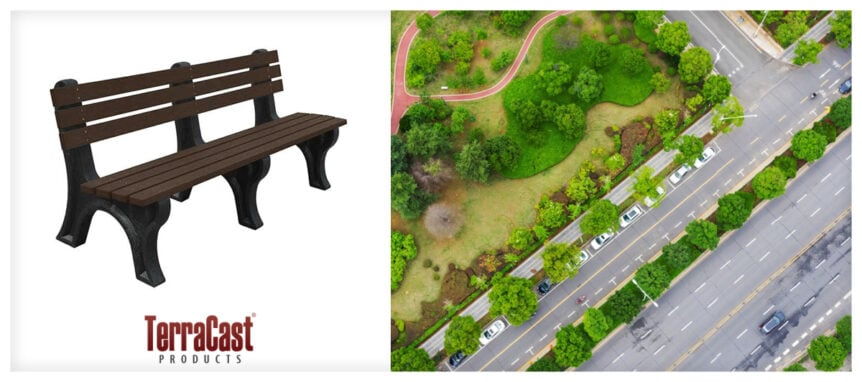
A well designed streetscape does more than support pedestrian movement and traffic flow. It creates a sense of place, reinforces community identity, and enhances the everyday experience of those who live, work, and visit the area. From downtown corridors to mixed use developments and waterfront promenades, visual consistency plays a major role in how a streetscape is perceived. Matching resin furnishings and planters help achieve this consistency by tying functional elements together into a unified design that feels intentional and enduring.
As municipalities and developers invest in revitalization and long term infrastructure improvements, streetscape furnishings are no longer viewed as isolated features. Benches, planters, trash receptacles, and lighting elements work together to shape the character of public space. Selecting materials that offer durability while supporting a cohesive aesthetic allows these spaces to remain attractive and functional despite constant use and environmental exposure.
The Importance of Visual Consistency in Public Spaces
Visual consistency helps streetscapes feel organized and welcoming rather than cluttered or fragmented. When furnishings vary widely in style, color, or material, the environment can feel disjointed and unfinished. Matching resin furnishings and planters create a sense of rhythm and continuity that guides the eye and reinforces the overall design intent.
In modern streetscapes, this consistency often supports clean lines and balanced proportions. Repeating materials and finishes across multiple elements helps unify sidewalks, plazas, and gathering areas while still allowing flexibility in layout. This approach is especially effective in districts that span several blocks or include multiple functional zones, where cohesion helps connect the space as a whole.
Material Selection That Supports Long Term Design Goals
Beyond appearance, material performance plays a critical role in maintaining cohesive streetscapes over time. Outdoor furnishings are exposed to weather, UV radiation, irrigation, and heavy foot traffic every day. When materials degrade at different rates, the visual consistency of the streetscape quickly breaks down.
Resin furnishings and planters offer an advantage because they resist corrosion, moisture absorption, and surface deterioration. Their stability helps ensure that benches, planters, and receptacles age evenly, preserving the intended look of the streetscape. Integrated UV protection supports color retention, which is essential for maintaining uniformity in environments exposed to constant sunlight.
This durability reduces the need for frequent replacement and patchwork repairs that can disrupt design continuity. As a result, streetscapes retain their original character longer while lowering maintenance demands for municipalities and property managers.
Using Furnishings and Planters to Shape Space
Matching resin planters and furnishings are not only visual elements but also functional tools for shaping public space. Planters can be used to define pedestrian pathways, buffer seating areas from traffic, or frame entrances to retail and residential areas. When paired with benches and other site furnishings in the same material and finish, these elements work together to create clear spatial cues.
In wider streetscapes, coordinated furnishings help establish gathering areas and resting points without the need for permanent barriers. This flexibility supports both daily use and special events while maintaining a cohesive appearance throughout the space. The ability to scale these elements consistently across large projects makes them especially valuable for long corridors and urban redevelopment efforts.
Consistency Across Large Scale Installations
Streetscape projects often span multiple phases or are implemented over time. Maintaining consistency across these phases is essential to achieving a polished final result. Resin furnishings and planters support this goal by offering repeatable designs with consistent finishes and profiles.
For planters, textures can be established during the early manufacturing stage to align with architectural and landscape elements. Once finalized, these textures remain consistent across all units, allowing future additions to blend seamlessly with existing installations. This predictability is particularly beneficial for municipalities planning phased improvements or expansions over several years.
Balancing Durability with Design Flexibility
While durability is essential, streetscape furnishings must also align with the surrounding architecture and community character. Resin materials support a range of forms and finishes that can complement both traditional and contemporary settings. This flexibility allows designers to maintain cohesion without sacrificing creativity or responsiveness to context.
Matching furnishings and planters help reinforce branding and identity in commercial districts, cultural centers, and civic spaces. When design elements are coordinated, the streetscape feels intentional and professionally planned, which contributes to positive perception and long term use.
Building Streetscapes That Stand the Test of Time
Cohesive streetscapes rely on thoughtful design and materials that perform reliably year after year. Matching resin furnishings and planters support this goal by combining visual consistency with resistance to environmental stress and daily wear. Their ability to maintain appearance while reducing maintenance needs makes them a practical choice for long term public investment.
TerraCast® resin furnishings and planters are designed to support cohesive streetscape design through durable, Made in the USA solutions that balance aesthetics and performance. By coordinating materials and finishes across site elements, planners and designers can create streetscapes that remain welcoming, functional, and visually unified well into the future. To explore options or discuss a streetscape project, you can connect with the TerraCast® team.