
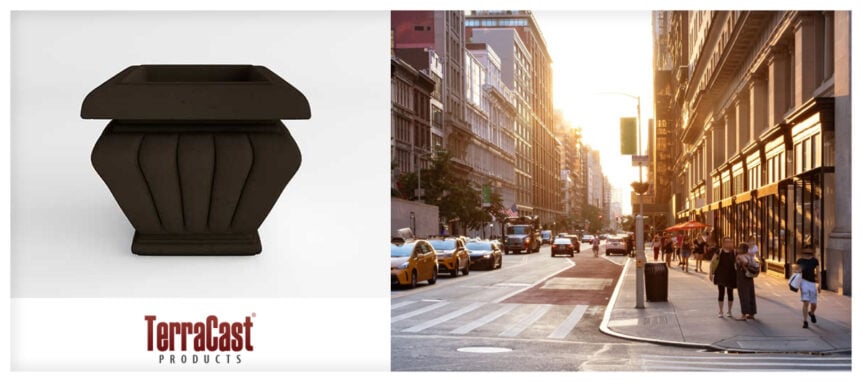
Cities across the country are placing greater emphasis on pedestrian safety, visibility, and traffic calming. As urban areas become more densely populated and multimodal transportation continues to grow, intersections have become a focal point for safety improvements. One strategy gaining renewed attention is daylighting, a design approach that improves visibility by removing parking spaces near intersections. While the concept has existed for years, recent legislation and safety initiatives have brought it back into the spotlight.
Daylighting is now being adopted more widely as municipalities look for practical, scalable ways to reduce accidents and create safer, more predictable intersections for drivers, cyclists, and pedestrians alike.
What Is Daylighting
Daylighting refers to the practice of clearing the area closest to an intersection, typically around 20 feet from a crosswalk, to improve sightlines. When vehicles are parked too close to corners, they can block visibility between drivers and pedestrians attempting to cross the street. This obstruction increases the risk of collisions, particularly in busy urban environments.
By removing parking in these zones, daylighting creates a clear line of sight. Drivers are better able to see pedestrians before turning, and pedestrians can more easily assess approaching traffic. This simple adjustment can significantly improve reaction time and reduce conflict points at intersections.
While some cities have implemented daylighting through painted curbs or signage, others are incorporating physical design elements to reinforce the space and prevent vehicles from parking in restricted areas.
Why Daylighting Is Gaining Momentum
Although daylighting is not a new concept, it has gained traction in recent years due to increased focus on pedestrian safety and new regulatory efforts. California’s daylighting law, which prohibits parking within 20 feet of crosswalks, has helped bring attention to the strategy and its benefits.
Cities are recognizing that visibility is one of the most critical factors in preventing intersection-related accidents. Even small obstructions can make it difficult for drivers to see pedestrians stepping into the street or for cyclists to be noticed when approaching an intersection.
In addition to safety, daylighting supports broader urban planning goals. It aligns with initiatives aimed at encouraging walkability, improving accessibility, and creating streets that accommodate multiple types of users. As a result, planners and transportation departments are increasingly incorporating daylighting into both new projects and retrofits of existing streets.
From Policy to Physical Design
Implementing daylighting can take several forms. In some cases, it begins with policy changes that restrict parking near intersections. However, relying solely on signage or painted markings can lead to inconsistent compliance, particularly in high-demand parking areas.
To address this, many cities are turning to physical design solutions that clearly define the space and discourage vehicles from entering it. These solutions may include curb extensions, bollards, or planters that create a visible and functional buffer near intersections.
Physical daylighting not only reinforces parking restrictions but also enhances the overall streetscape. It transforms unused or restricted space into an intentional part of the urban environment, often incorporating greenery or design elements that improve the visual quality of the street.
The Role of Planters in Daylighting Design
Planters are increasingly being used in daylighting applications because they provide both visual definition and design flexibility. When placed at intersections, they help establish a clear boundary that separates pedestrian space from vehicle lanes without requiring permanent structural changes.
It is important to note that planters are not crash-rated barriers and are not intended to stop vehicles. Their effectiveness comes from visibility and spatial definition. By occupying space that would otherwise be used for parking, they discourage encroachment and reinforce the intended layout of the intersection.
Planters also contribute to a more inviting environment by introducing greenery into urban settings. This can soften hardscape-heavy areas and support broader goals related to livability and public space design.
Flexible Solutions for Evolving Streetscapes
One of the advantages of using planters and similar elements in daylighting projects is flexibility. Unlike permanent construction, these solutions can be installed with minimal disruption and adjusted as needed. This is particularly valuable for pilot programs or phased improvements, where cities may want to test configurations before committing to long-term changes.
Lightweight materials further support this flexibility by making installation and repositioning more efficient. Once placed and filled, planters provide stability while still allowing for future adjustments if street conditions or design priorities change.
This adaptability allows municipalities to respond to evolving safety needs while maintaining control over project timelines and budgets.
A Growing Priority for Safer Cities
Daylighting reflects a broader shift toward safer, more thoughtful street design. By improving visibility at intersections, it addresses one of the most common factors in urban accidents. As more cities adopt policies and design strategies that prioritize pedestrian safety, daylighting is likely to become a standard component of modern streetscapes.
For planners and municipalities, integrating physical elements such as planters into daylighting strategies offers a practical way to reinforce safety improvements while enhancing the visual character of public spaces.
TerraCast® resin planters are designed to support these types of urban applications, offering durable, Made in the USA solutions that perform reliably in high-traffic environments. To learn more about how planters can be incorporated into daylighting and intersection safety projects, you can connect with the TerraCast® team.