
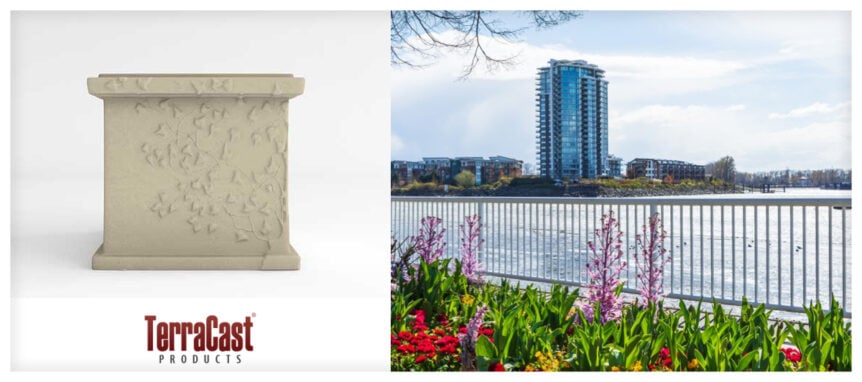
Waterfront parks and boardwalks are some of the most heavily used and visually prominent public spaces in any community. They must withstand constant exposure to moisture, salt air, intense sunlight, and fluctuating temperatures while remaining safe and inviting for visitors. These conditions place extraordinary demands on outdoor site furnishings, making material selection one of the most important decisions in the design process. Resin has emerged as a smart and reliable material choice for waterfront environments because it offers durability, visual consistency, and long term performance where traditional materials often fall short.
Unlike inland parks, waterfront spaces are rarely protected from environmental extremes. Salt carried by wind settles on surfaces, humidity remains high year round, and UV exposure is often intensified by reflection off water. Materials that absorb moisture or corrode under these conditions can deteriorate quickly, leading to safety concerns and costly replacement cycles. Resin site furnishings are engineered to perform reliably in these challenging settings, helping preserve both function and appearance over time.
Resistance to Moisture and Salt Exposure
One of the primary advantages of resin in waterfront applications is its resistance to moisture and salt. Resin does not absorb water, which prevents swelling, cracking, and internal deterioration. This characteristic is especially important in environments where furnishings are exposed to rain, wave spray, and frequent irrigation.
Salt air accelerates corrosion in metal furnishings and can degrade finishes on many traditional materials. Resin is not affected by salt in the same way, allowing it to maintain structural integrity and surface quality even when installed close to the shoreline. This resistance helps extend the service life of benches, planters, tables, and other site elements used in waterfront parks and boardwalks.
Durability Under Constant Public Use
Waterfront parks and boardwalks often experience heavy foot traffic throughout the year. Site furnishings in these areas must withstand daily use, occasional impact, and continuous exposure to the elements. Resin materials are designed to resist cracking, chipping, and warping, making them well suited for high traffic public environments.
Because resin maintains its shape and strength over time, it provides consistent performance even as conditions change throughout the day and across seasons. This reliability supports safe seating, stable surfaces, and dependable site elements that remain functional despite frequent use.
UV Stability and Long Term Appearance
Sun exposure is intensified along the water, where reflective surfaces amplify UV radiation. Over time, this can cause fading and surface breakdown in materials that lack proper UV protection. Resin site furnishings incorporate UV inhibitors that help preserve color and finish, supporting long term visual consistency in open, sun exposed environments.
Maintaining appearance is especially important in waterfront parks and boardwalks that serve as focal points for tourism and community activity. Faded or deteriorated furnishings can detract from the experience and diminish the overall perception of the space. Resin helps ensure that these public areas retain a clean, well maintained look year after year.
Design Flexibility for Coastal Environments
Beyond performance, resin offers flexibility in form and finish that supports a wide range of design styles. Waterfront parks often balance natural surroundings with structured walkways, seating areas, and gathering spaces. Resin furnishings can be integrated into these environments without overpowering the landscape, offering clean lines and consistent finishes that complement both modern and traditional coastal designs.
For certain products, textures can be established during the early stages of manufacturing to align with surrounding materials such as stone, concrete, or wood inspired elements. Once the tooling process is complete, these textures remain consistent across all units, supporting cohesive design throughout large installations.
Reducing Maintenance and Long Term Costs
Maintenance access can be challenging in waterfront locations, where equipment and repairs may disrupt pedestrian areas or sensitive natural surroundings. Resin furnishings reduce maintenance demands by resisting corrosion, moisture damage, and surface deterioration. This durability lowers the frequency of repairs and replacements, helping municipalities and property managers control long term costs.
By minimizing maintenance needs, resin also supports sustainable planning. Fewer replacements mean reduced material waste and less disruption to public spaces, which aligns with responsible stewardship of waterfront environments.
Building Resilient Waterfront Spaces
Waterfront parks and boardwalks require materials that perform reliably under constant environmental stress while supporting safe and welcoming public spaces. Resin offers a combination of durability, visual stability, and design flexibility that makes it well suited for these demanding environments. By selecting materials engineered to resist moisture, salt, and UV exposure, planners and designers can create waterfront spaces that remain functional and attractive for years.
TerraCast® resin site furnishings are designed to meet these challenges, offering Made in the USA solutions that support long term performance in coastal and waterfront settings. To explore options or discuss a waterfront project, you can connect with the TerraCast® team.