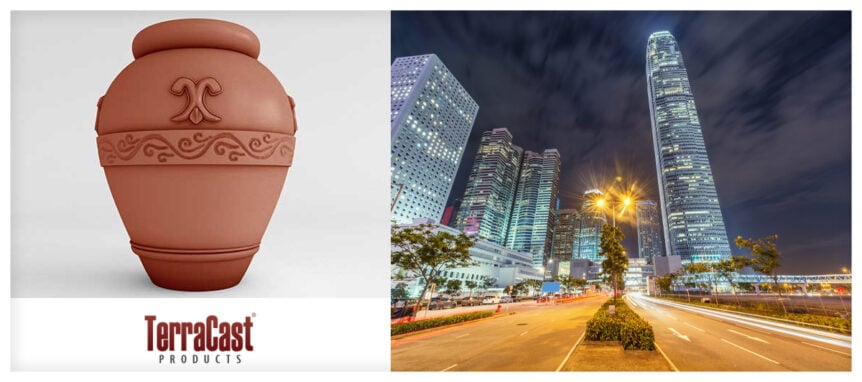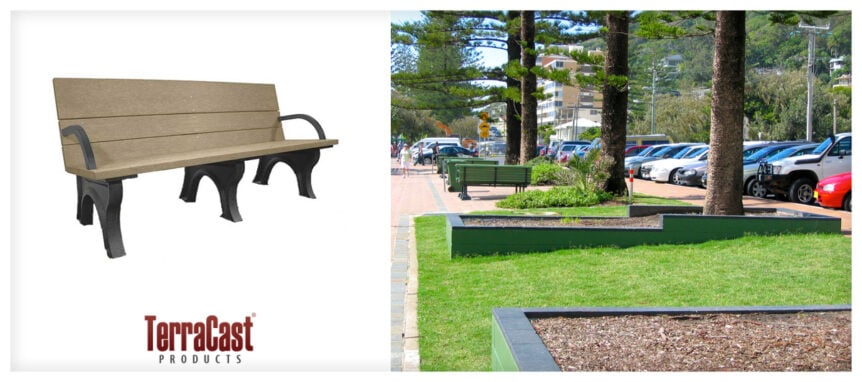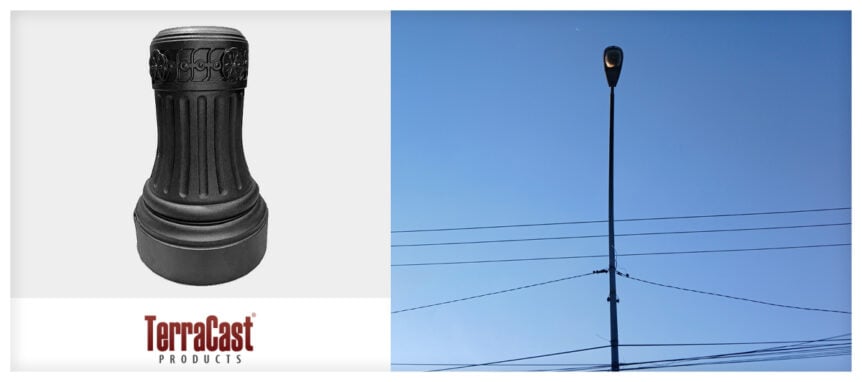
Cities are increasingly looking for ways to make urban environments more resilient, sustainable, and people-focused. As part of this shift, green infrastructure has become a major component of modern streetscape design. Rather than relying solely on traditional hardscape elements such as concrete and asphalt, municipalities and developers are incorporating landscaping, planters, trees, and other green features directly into public spaces. …
Planning for Long-Term Maintenance in Streetscape and Public Space Projects
Streetscapes and public spaces are designed to serve communities for decades, not just during the first years after installation. While initial design and construction often receive the most attention, long-term maintenance planning is what ultimately determines whether these environments remain attractive, functional, and cost-effective over time. Materials that deteriorate quickly or require constant upkeep can create ongoing operational challenges for …
Designing Safer Intersections with Daylighting and Streetscape Elements
As cities continue to prioritize pedestrian safety and multimodal transportation, intersections have become a major focus of urban design improvements. Busy crossings are among the most common locations for conflicts between pedestrians, cyclists, and vehicles, particularly in dense urban environments where visibility is limited. To address these challenges, municipalities are increasingly adopting daylighting strategies and integrating streetscape elements that improve …
How Self-Watering Planter Inserts Improve Plant Health and Reduce Maintenance
Maintaining healthy plants in public spaces can be challenging, especially in environments exposed to heat, wind, and inconsistent watering schedules. For municipalities, property managers, and landscape professionals, keeping planters properly irrigated often requires ongoing labor and monitoring. Self-watering planter inserts offer a practical solution by helping regulate moisture levels while reducing the need for frequent manual watering. As urban environments …
How Cities Are Repurposing Street Space for Safer, Multi-Use Environments
Cities across the country are rethinking how street space is used. What was once dedicated almost entirely to vehicle traffic and parking is now being adapted to support a wider range of functions, including pedestrian movement, cycling, outdoor dining, and public gathering. This shift reflects changing priorities in urban planning, where safety, accessibility, and community engagement are becoming central to …
Common Problems with Light Pole Base Covers and How to Avoid Them
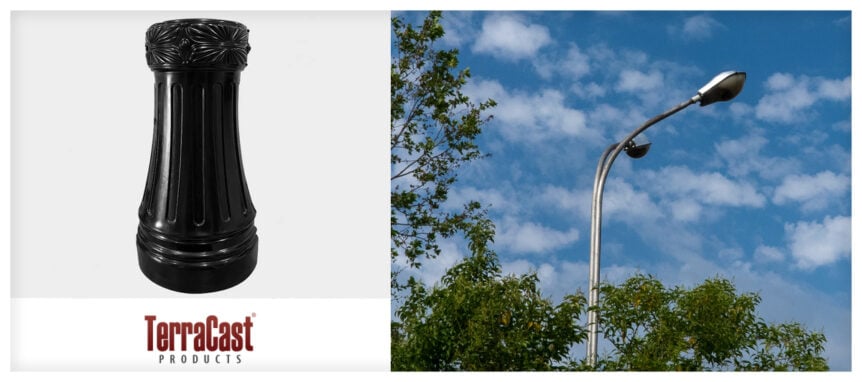
Light pole base covers are an important finishing element in streetscape and lighting projects. While they are decorative and not structural, they play a key role in protecting exposed hardware and maintaining a clean, cohesive appearance. When base covers fail or are improperly selected, they can create maintenance issues, visual inconsistencies, and unnecessary project delays. Understanding the most common problems …
TerraCast® Planters Featured in Philadelphia’s PHL250 Celebration
Philadelphia is stepping into the national spotlight as it prepares to commemorate America’s 250th anniversary. As the birthplace of the United States, the city is leading the PHL250 initiative, a large-scale celebration marking 250 years since the signing of the Declaration of Independence. This milestone is not only a reflection on history, but also a forward-looking effort focused on long-term …
Material Selection for Public Spaces: What Actually Holds Up Over Time
Public spaces are designed to serve communities for years, often decades, while maintaining safety, functionality, and visual appeal. From streetscapes and plazas to campuses and transportation corridors, these environments experience constant exposure to weather, foot traffic, and daily use. While design plays an important role in shaping these spaces, material selection ultimately determines how well they perform over time. Choosing …
How to Match Existing Light Pole Base Covers in Retrofit Projects
Retrofitting existing lighting infrastructure presents a unique set of challenges, especially when decorative elements must align with previously installed components. Light pole base covers are often selected to match architectural styles, municipal standards, or specific streetscape designs. When replacements or additions are needed, finding a base cover that fits both the physical dimensions and visual profile of existing installations can …
The Role of Planters in Creating Flexible Urban Spaces
Urban spaces are evolving to meet the changing needs of communities. Streets, plazas, and public gathering areas are no longer designed for a single purpose. Instead, they are expected to accommodate pedestrians, cyclists, events, outdoor dining, and seasonal programming. This shift has increased the demand for flexible design solutions that can adapt over time without requiring major reconstruction. Planters have …