
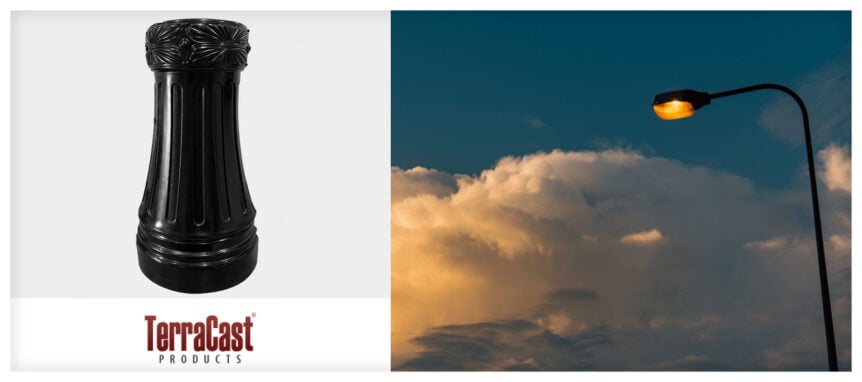
Retrofitting existing lighting infrastructure presents a unique set of challenges, especially when decorative elements must align with previously installed components. Light pole base covers are often selected to match architectural styles, municipal standards, or specific streetscape designs. When replacements or additions are needed, finding a base cover that fits both the physical dimensions and visual profile of existing installations can be difficult.
Unlike other infrastructure components, decorative light pole base covers are not standardized across manufacturers. Variations in pole diameter, anchor bolt spacing, and design profiles mean that a direct replacement is not always readily available. For municipalities and contractors working on phased upgrades or repairs, this lack of consistency can create delays and design conflicts if not addressed early in the project.
Understanding the Importance of Compatibility
Matching an existing base cover involves more than selecting a similar shape. The new cover must align with the original pole installation, including anchor bolt patterns, base plate dimensions, and overall proportions. Even small differences can result in improper fit or an inconsistent appearance that stands out within a finished streetscape.
Because base covers are decorative and not structural, they are installed over the existing foundation and hardware. This makes precision especially important, as the cover must wrap cleanly around the base without interfering with the pole or leaving gaps that expose anchor bolts.
When compatibility is not properly addressed, contractors may be forced to modify components on-site or accept a mismatched appearance, both of which can compromise the quality of the final installation.
Challenges with Non-Standard Designs
Many cities have installed lighting infrastructure over multiple decades, often sourcing components from different manufacturers. As a result, even within the same municipality, base cover designs can vary widely from one project to another.
This lack of standardization becomes a challenge during retrofit work. A base cover used in one district may not match those used in another, and older designs may no longer be produced. Contractors attempting to source replacements may find that off-the-shelf options do not meet the required specifications.
In these cases, relying solely on standard product offerings can limit project flexibility and lead to delays while teams search for suitable alternatives.
When Custom Solutions Become Necessary
Custom manufacturing is often the most effective way to match existing light pole base covers in retrofit projects. By replicating the dimensions, proportions, and visual details of the original design, custom covers allow contractors to maintain consistency across the streetscape.
Modern production methods make it possible to create compatible base covers that align with existing installations without altering the underlying structure. This approach ensures that new components blend seamlessly with previously installed elements, preserving the overall design intent of the project.
Custom solutions are especially valuable in phased municipal projects, where new installations must match earlier phases completed years prior. Maintaining visual continuity helps ensure that the streetscape appears cohesive rather than pieced together over time.
Material Considerations for Long-Term Consistency
Matching appearance is only part of the equation. The material used for replacement base covers must also perform reliably over time to ensure that the new installation ages consistently with existing elements.
Resin base covers offer several advantages in this regard. Their non-porous construction resists moisture, corrosion, and surface deterioration, helping maintain a clean and uniform appearance. Because the material is color-through, there is no painted surface to peel or chip, which supports long-term visual consistency.
This durability is particularly important in environments exposed to weather, irrigation, and urban wear. When replacement components perform differently from existing ones, the contrast becomes more noticeable over time.
The Role of Lead Times in Retrofit Projects
Timing is often a critical factor in retrofit work. When existing base covers are damaged, missing, or delayed from another supplier, project schedules can be affected quickly. Identifying a solution that meets both design and timeline requirements is essential to keeping installations on track.
TerraCast® offers both standard and custom decorative light pole base covers to support retrofit projects. Standard designs can often be produced within approximately three to six weeks, depending on order size and production volume. When a project requires a custom match to an existing base style, custom covers can typically be produced within roughly twelve to fifteen weeks.
Because TerraCast® base covers are Made in the USA, production timelines are managed domestically, helping reduce the uncertainty associated with international shipping and extended supply chains.
Maintaining Cohesive Streetscapes Over Time
Retrofit projects are an opportunity to preserve and extend the life of existing streetscape designs. By carefully matching decorative light pole base covers, municipalities and contractors can maintain the visual integrity of their infrastructure while addressing repairs, upgrades, or phased expansions.
Custom-compatible solutions allow new installations to blend seamlessly with existing elements, ensuring that streetscapes remain cohesive and well maintained. With the right combination of design flexibility, material performance, and reliable production timelines, retrofit projects can be completed efficiently without compromising long-term results.
TerraCast® produces decorative light pole base covers designed to meet both standard and custom project requirements. To learn more about matching existing base covers or discuss a retrofit project, you can connect with the TerraCast® team.