
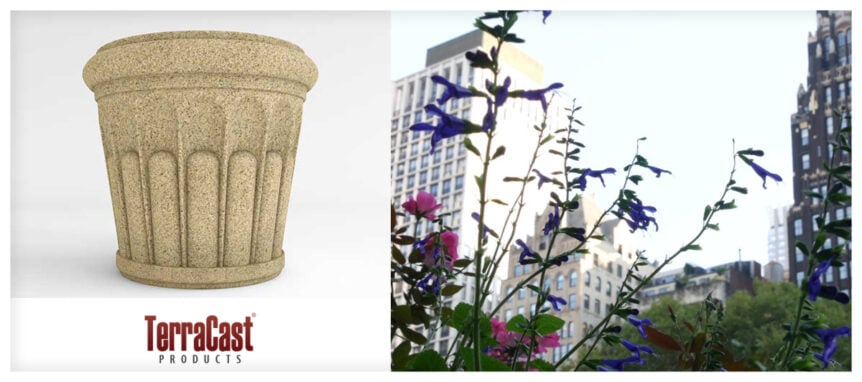
Cities are increasingly looking for ways to make urban environments more resilient, sustainable, and people-focused. As part of this shift, green infrastructure has become a major component of modern streetscape design. Rather than relying solely on traditional hardscape elements such as concrete and asphalt, municipalities and developers are incorporating landscaping, planters, trees, and other green features directly into public spaces.
Green infrastructure helps improve both the environmental and functional performance of urban areas while creating streets that feel more welcoming and comfortable for the people who use them every day.
What Green Infrastructure Means in Urban Design
Green infrastructure refers to landscape-based design elements that help manage environmental challenges while improving the quality of public spaces. In streetscape projects, this can include trees, bioswales, planted medians, rain gardens, and decorative planters integrated into sidewalks, plazas, and transportation corridors.
These elements are designed to work alongside traditional infrastructure rather than replace it entirely. In many cases, they help soften dense urban environments while contributing to stormwater management, urban heat reduction, and pedestrian comfort.
As cities continue investing in walkability and public space improvements, green infrastructure is becoming a standard part of long-term planning strategies.
Creating More Comfortable Pedestrian Environments
One of the most visible benefits of green infrastructure is its impact on pedestrian experience. Streets dominated entirely by pavement and traffic often feel harsh and uninviting. Introducing greenery into these environments helps create a more comfortable and human-scaled atmosphere.
Planters are frequently used to bring vegetation into areas where traditional planting may not be practical. They can define gathering spaces, separate pedestrians from vehicle traffic, and add visual softness to heavily built environments.
This improved sense of comfort encourages people to spend more time walking, shopping, dining, and interacting within public spaces, supporting both community activity and local businesses.
Supporting Flexible Streetscape Design
Green infrastructure also supports the growing demand for adaptable urban spaces. Modern streets are expected to accommodate multiple uses, including outdoor dining, public events, bike lanes, and pedestrian gathering areas.
Planters provide a flexible way to organize and define these spaces without requiring permanent structural changes. They can be repositioned as needs evolve, allowing cities to test layouts or make seasonal adjustments with minimal disruption.
This flexibility is particularly valuable in temporary street activations or phased redevelopment projects where future configurations may change over time.
Helping Manage Urban Environmental Challenges
In addition to aesthetic and functional benefits, green infrastructure helps address several environmental challenges common in urban areas. Vegetation can help reduce heat buildup, improve air quality, and contribute to stormwater management.
Planters and other planted streetscape elements support these goals by introducing more greenery into environments where natural ground planting may be limited. While they are not a replacement for larger environmental infrastructure systems, they contribute to broader sustainability efforts and improve the overall quality of the streetscape.
As cities continue responding to climate and environmental concerns, integrating green infrastructure into public projects is becoming increasingly important.
Balancing Durability with Landscape Integration
Because green infrastructure elements are exposed to weather, irrigation, foot traffic, and urban wear, material durability remains a critical consideration. Streetscape planters and furnishings must withstand long-term exposure while maintaining their appearance and functionality.
Materials that absorb moisture or deteriorate under UV exposure can require frequent replacement or maintenance, reducing the long-term value of the project. Non-porous, durable materials help support greener urban environments by minimizing upkeep and maintaining consistent performance over time.
This balance between environmental integration and durability is essential for successful long-term streetscape planning.
Enhancing Identity and Placemaking
Green infrastructure also plays a major role in placemaking. Trees, planters, and landscaped public spaces help define the identity of a neighborhood or district. They create environments that feel more intentional, active, and connected to the community.
In many revitalization projects, greenery is used not only for environmental benefit but also to strengthen the visual character of the streetscape. Coordinated planters and site furnishings help unify different parts of a project while creating spaces that feel inviting and well maintained.
This combination of functionality and aesthetics contributes to stronger public engagement and a more positive urban experience.
The Future of Streetscape Design
As cities continue evolving, green infrastructure will likely become even more integrated into urban planning and public space design. Streets are no longer viewed solely as transportation corridors. They are increasingly seen as shared environments that support safety, sustainability, and community interaction.
Planters and other green infrastructure elements help cities adapt to these changing priorities by creating more flexible, comfortable, and environmentally responsive public spaces.
TerraCast® resin planters are designed to support modern green infrastructure initiatives, offering durable, Made in the USA solutions for streetscapes, plazas, and high-traffic urban environments. To learn more about integrating planters into green infrastructure and public space projects, you can connect with the TerraCast® team.