
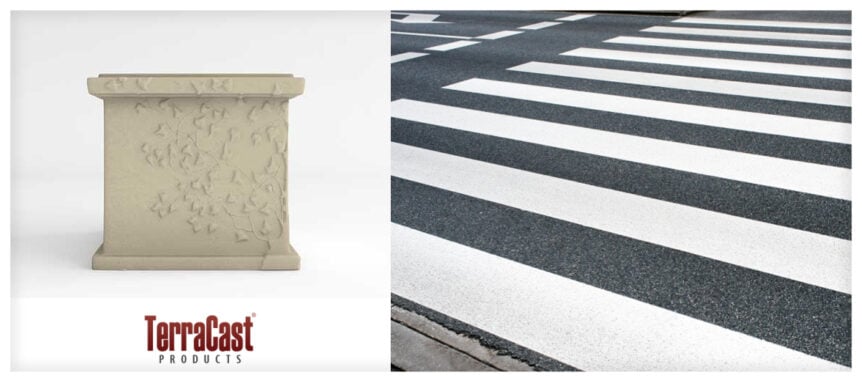
Streetscapes do more than shape the appearance of a city. They influence how people move, interact, and behave within public space. From sidewalk width and intersection visibility to seating placement and landscaping, every design decision affects how pedestrians experience the environment around them. Well-designed streetscapes can encourage walking, improve safety, and create more active public spaces, while poorly planned environments may contribute to confusion, unsafe crossings, or reduced pedestrian activity.
As cities continue to prioritize walkability and multimodal transportation, streetscape design has become an increasingly important tool for shaping safer and more functional urban environments.
How Design Influences Movement
Pedestrians naturally respond to visual and physical cues within the built environment. Sidewalk layouts, planters, lighting, and traffic separation all help communicate how a space is intended to function. When streets are designed clearly and consistently, people are more likely to move predictably and safely.
Wide, unobstructed walkways encourage pedestrian flow and reduce crowding. Clearly defined crossing areas help guide people toward safer routes. Streetscape elements such as planters and seating areas can subtly direct movement patterns without the need for barriers or excessive signage.
When these design features are absent or inconsistent, pedestrians may create their own paths through the environment, often leading to unsafe crossings or conflicts with vehicles and cyclists.
The Relationship Between Visibility and Safety
Visibility is one of the most important factors in pedestrian safety. Drivers need clear sightlines to see pedestrians approaching intersections, and pedestrians need to be able to assess traffic conditions before crossing.
Streetscape design can improve visibility through strategies such as daylighting, curb extensions, and carefully positioned site furnishings. Removing visual obstructions near intersections helps reduce conflicts and improves reaction time for everyone using the street.
Planters are often used in these applications to help define restricted areas and reinforce pedestrian zones. While they are not crash-rated barriers, their placement helps create clearer spatial organization and discourages vehicles from encroaching into pedestrian space.
Creating a Sense of Comfort and Walkability
People are more likely to walk and spend time in public spaces when the environment feels comfortable and inviting. Streetscapes that include greenery, seating, shade, and pedestrian buffers create a more pleasant experience and encourage longer use of the space.
Planters contribute to this by softening urban environments that would otherwise feel dominated by concrete and traffic. Greenery helps create visual separation from vehicles while supporting a more human-scaled environment. This sense of comfort can influence how often people choose to walk rather than drive short distances.
Walkable streets also support local businesses and community interaction by encouraging people to spend more time outdoors and engage with their surroundings.
Encouraging Predictable Behavior
One of the goals of streetscape design is to make behavior more predictable for all users of the space. Predictability reduces confusion and lowers the likelihood of accidents.
For pedestrians, clearly marked crossings and defined pathways help indicate where movement is expected. For drivers, physical streetscape elements can visually narrow roadways and encourage slower speeds. These subtle design cues often influence behavior more effectively than signage alone.
Protected bike lanes, pedestrian plazas, and curbside buffers all rely on spatial definition to communicate how different areas should function. Planters and similar streetscape elements help reinforce these boundaries while maintaining an open and visually appealing environment.
Supporting Flexible Urban Spaces
Modern streets are expected to serve many purposes beyond vehicle movement. Outdoor dining, public events, bike infrastructure, and pedestrian gathering areas all require streetscapes that can adapt over time.
Flexible streetscape elements such as movable planters support these evolving needs. They allow cities to test new layouts, create temporary public spaces, or adjust traffic patterns without major reconstruction. This adaptability helps municipalities respond to changing community priorities while maintaining safety and functionality.
Lightweight materials also simplify installation and repositioning, making streetscape improvements more practical to implement across large urban areas.
Balancing Safety, Function, and Aesthetics
Effective streetscape design requires balancing practical safety needs with visual quality and usability. Public spaces should feel organized and secure without appearing overly restrictive or institutional.
Durable materials and coordinated site furnishings help create cohesive environments that support both performance and aesthetics. When streetscape elements age consistently and maintain their appearance over time, they reinforce a sense of care and long-term investment in the community.
This balance is especially important in downtown revitalization projects and mixed-use developments where public perception plays a major role in how spaces are used and valued.
Designing Streets That Work for Everyone
Streetscape design has a direct influence on how pedestrians navigate and interact with urban environments. By improving visibility, guiding movement, and creating more comfortable public spaces, thoughtful design strategies can significantly improve pedestrian safety and overall usability.
Planters and other streetscape elements help support these goals by defining space, enhancing walkability, and contributing to more organized urban environments. TerraCast® resin planters are designed to perform reliably in high-traffic public spaces, offering durable, Made in the USA solutions for modern streetscape projects. To learn more about integrating planters into pedestrian-focused urban design, you can connect with the TerraCast® team.