
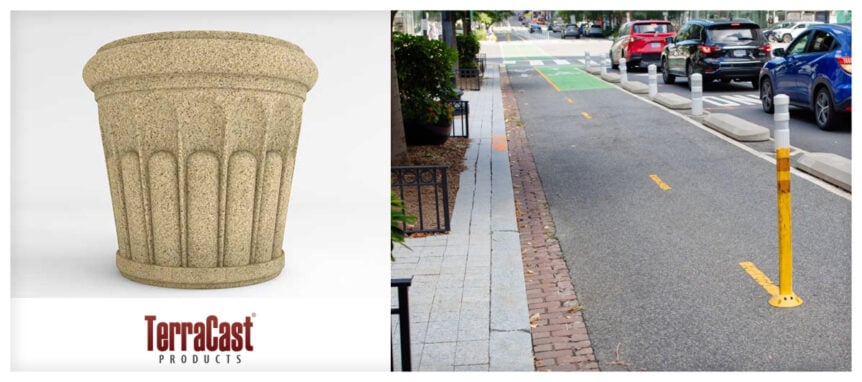
Cities across the country are rethinking how street space is used. What was once dedicated almost entirely to vehicle traffic and parking is now being adapted to support a wider range of functions, including pedestrian movement, cycling, outdoor dining, and public gathering. This shift reflects changing priorities in urban planning, where safety, accessibility, and community engagement are becoming central to how streets are designed.
Repurposing street space allows municipalities to respond to evolving needs without requiring complete infrastructure overhauls. By reallocating underutilized areas, cities can create more dynamic and flexible environments that serve a broader range of users.
From Vehicle-Centric to People-Focused Design
Traditional street design prioritized vehicle flow, often at the expense of pedestrian safety and usability. Wide travel lanes and curbside parking dominated urban corridors, leaving limited space for other activities. As cities grow and diversify, this approach is being reevaluated.
Repurposed street space often includes expanded sidewalks, protected bike lanes, and designated pedestrian zones. These changes help reduce conflicts between vehicles and other users while improving overall safety. By creating clearly defined areas for different modes of transportation, cities can support more predictable and efficient movement.
This shift also encourages alternative transportation options, contributing to reduced congestion and improved air quality in dense urban areas.
Transforming Parking into Active Public Space
One of the most common strategies for repurposing street space involves converting curbside parking into functional public areas. Former parking spaces are now being used for outdoor dining, seating areas, parklets, and streetscape enhancements.
Planters play a key role in these transformations. They help define the boundaries of newly created spaces, separating them from vehicle traffic while maintaining an open and inviting environment. This approach allows cities to activate previously static areas without major construction.
In addition to supporting businesses and public use, these spaces contribute to a more engaging streetscape by introducing greenery and visual interest.
Improving Safety Through Design Interventions
Safety is a primary driver behind many street repurposing efforts. Design strategies such as daylighting, curb extensions, and protected bike lanes all rely on reallocating space to improve visibility and reduce vehicle conflicts.
Planters and other streetscape elements are often used to reinforce these changes. When placed strategically, they help guide traffic patterns, discourage unsafe driving behavior, and create buffers between pedestrians, cyclists, and vehicles.
It is important to recognize that planters are not crash-rated barriers. Their effectiveness comes from their visibility and placement, which help communicate how the space is intended to be used. By clearly defining boundaries, they support safer interactions between all users of the street.
Supporting Flexible and Adaptive Use
Urban environments are constantly changing, and street design must be able to adapt. Repurposed spaces often need to accommodate different uses throughout the day or across seasons. Outdoor dining areas, event spaces, and pedestrian zones may require adjustments based on demand.
Flexible design elements, such as movable planters, make this adaptability possible. They allow cities to test new layouts, refine configurations, and respond to community needs without permanent construction. Once a successful layout is established, these elements can remain in place or be adjusted as needed.
This approach supports incremental improvements while maintaining control over project costs and timelines.
Enhancing Urban Experience and Community Engagement
Repurposing street space does more than improve functionality. It enhances the overall experience of the urban environment. Streets that include greenery, seating, and gathering areas encourage people to spend more time in public spaces, supporting local businesses and fostering community interaction.
These improvements also contribute to a sense of place. Well-designed streetscapes reflect the identity of a neighborhood and create spaces that feel welcoming and intentional. By integrating design elements that balance aesthetics and performance, cities can create environments that serve both practical and social purposes.
A Continued Shift in Urban Planning
The repurposing of street space represents a broader trend toward more balanced and inclusive urban design. As cities continue to prioritize safety, sustainability, and quality of life, the role of streets will continue to evolve.
Planters and other flexible streetscape elements support this transition by providing practical tools for redefining how space is used. Their ability to create structure, enhance safety, and adapt to changing needs makes them a valuable component of modern urban planning.
TerraCast® resin planters are designed to support these evolving streetscape strategies, offering durable, Made in the USA solutions that perform reliably in high-traffic environments. To learn more about how planters can be used to repurpose street space and improve urban environments, you can connect with the TerraCast® team.