
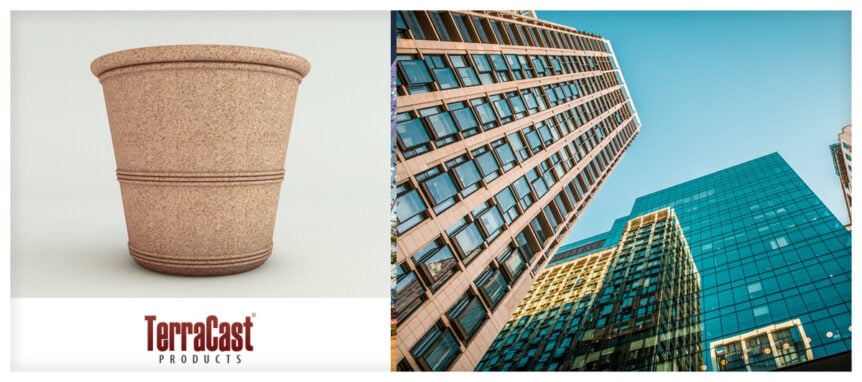
Improving an established streetscape is very different from designing a new public space from the ground up. Existing downtown districts, commercial corridors, campuses, and mixed-use developments already contain light poles, sidewalks, utilities, landscaping, drainage systems, parking areas, and pedestrian routes that must be considered before new features are introduced.
Rather than viewing existing infrastructure as an obstacle, successful streetscape planning works with what is already in place. By carefully evaluating current conditions and selecting adaptable products, municipalities, developers, and landscape architects can modernize public spaces while reducing unnecessary demolition and replacement.
Start With a Thorough Assessment of Existing Conditions
Every retrofit project should begin with an understanding of what is already on the site. Infrastructure shown on original plans may have been modified over time, and actual field conditions can differ from historical drawings.
Light pole locations, utility access points, sidewalk widths, drainage areas, building entrances, landscaping, and pedestrian circulation should all be evaluated. Existing components should also be assessed to determine which can remain in service and which truly require replacement.
This information allows designers to develop improvements around usable infrastructure instead of automatically assuming everything needs to be removed.
Preserve Functional Infrastructure When Possible
Replacing infrastructure simply because it looks dated can significantly increase project costs. In many cases, structural or functional components remain serviceable even though their appearance no longer complements the surrounding streetscape.
Light poles are a good example. A pole may still function properly while exposed anchor hardware or an aging base makes the installation appear unfinished. Rather than replacing the entire pole, a decorative base cover can update its appearance while allowing the existing lighting infrastructure to remain in place.
This approach can reduce disruption while allowing more of the project budget to be directed toward improvements that have a greater impact on the public environment.
Plan Around Utilities and Access Requirements
Public streets contain more infrastructure than what is immediately visible. Electrical systems, communications lines, drainage structures, water infrastructure, and other utilities may run beneath sidewalks and landscaped areas.
New streetscape features should be positioned with these systems in mind. Access points may need to remain clear for maintenance crews, and certain areas may need to remain available for future utility work.
Movable or relatively lightweight streetscape elements can offer advantages in these situations. Resin planters, for example, are considerably easier to transport and position while empty than many traditional heavy materials. If future infrastructure work requires access to an area, their placement may provide more flexibility than permanently constructed landscape features.
Work With Existing Light Pole Dimensions
Existing lighting can present another challenge because pole designs and dimensions are not always standardized. A streetscape renovated over several decades may contain round, square, octagonal, fluted, scalloped, or other pole profiles.
TerraCast® clamshell decorative base covers can simplify retrofit situations because they install around poles that are already in place. Solid-top models can be cut to accommodate different pole dimensions and profiles, up to the maximum opening diameter specified for the particular base.
When measurements are reliable, the opening can be cut at the factory. When actual field dimensions are uncertain, contractors can cut the top on-site for a more precise fit.
The decorative cover does not support or anchor the pole. Structural support continues to come from the existing foundation, anchor bolts, and mounting hardware.
Maintain Pedestrian Circulation During Improvements
Streetscape upgrades should improve the pedestrian experience without creating unnecessary obstacles. Existing sidewalk widths, entrances, crosswalk approaches, transit stops, and high-traffic routes should influence where planters, benches, and other furnishings are placed.
A large planter may look appropriate on a drawing but become problematic if it reduces usable sidewalk space or interferes with an important circulation route.
Thoughtful placement can instead use streetscape elements to reinforce how people move through an area. Planters can help define gathering spaces, introduce greenery along wide sidewalks, or visually organize areas where pedestrian and vehicle uses meet.
Use Adaptable Elements to Address Irregular Spaces
Existing streets are rarely perfectly uniform. Building setbacks change, sidewalks widen and narrow, utilities interrupt planting areas, and previous improvements may create unusual spaces.
Trying to force the same configuration into every location can make a streetscape less functional. Adaptable planters and site furnishings allow designers to respond to these variations while maintaining a consistent overall aesthetic.
Different planter sizes or arrangements can address individual site conditions while coordinated colors and styles preserve continuity throughout the district.
Prepare for Future Changes
Working around existing infrastructure also means recognizing that today’s streetscape will eventually change again. Utilities may need repair, pedestrian areas may expand, or new development may alter circulation patterns.
Selecting durable products that can be repositioned, replaced, or integrated into future phases can make those changes easier. It also helps municipalities avoid creating improvements that become obstacles during the next infrastructure project.
Modernizing Without Starting From Scratch
Effective streetscape improvement is not always about replacing what already exists. Often, the better approach is to preserve functional infrastructure while strategically upgrading the elements that influence appearance, usability, and the pedestrian experience.
TerraCast® manufactures durable resin planters, site furnishings, and decorative light pole base covers in the USA for new construction and retrofit applications. With adaptable product options designed to work with a variety of existing conditions, TerraCast® can help project teams modernize public spaces without unnecessarily starting over. To discuss solutions for an upcoming streetscape improvement project, contact the TerraCast® team.